HOME | DD
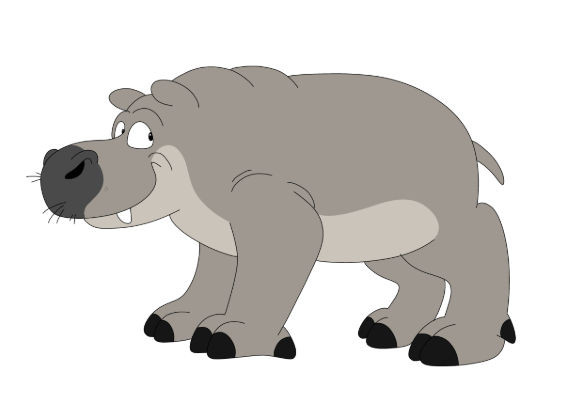
 Patchi1995 — Choeropsis

#choeropsis #pygmyhippo #patchi1995 #ingitiszoan
Published: 2016-10-06 20:08:30 +0000 UTC; Views: 2195; Favourites: 10; Downloads: 5
Redirect to original
Description
Common Name: ChoeropsisCommon Name Synonyms: Pygmy Hippopotamus, Pygmy Hippo, Hexaprotodont
Scientific Name: Choeropsis/Hexaprotodon liberiensis
Size: 70-100cm tall in the shoulders, 150-175cm from snout to tail
Classification: Artiodactyl Ungulate
Habitat: Jungles, Swamps
Diet: Herbivorous; diet consisted of grass, forbs, ferns, and fruit
Description: The pygmy hippo was considered a "living fossil," which that they lived in Western parts of Africa, especially in the jungle. They are more herbivorous, gracile, and terrestrial than their massive cousins, hippopotamuses, but more aquatic than most perissodactyls. Most hippos are closely related to cetaceans and pigs, than to tapirs(whom that the tapirs are closely related to rhinos and equines than to hippos.), as they shared a common ancestor. Choeropsis had a similar behavior to a tapir, due to the convergent evolution. Hippos are most gregarious, while the Choeropsis have a variable social unit. Some are solitary, or in small pods(a small pod of choeropsises are called a "herd," or a "bloat."), typically within a mating pair, or just a mother with her calf. They can ignore each other, rather than fighting, when they meet. Most choeropsises spend their days hidden on the rivers. These little hippos are unknown, if they can sleep in the borrows, but they are not observed to be burrowers, like most artiodactyls, but warthogs are the burrowers. Predators of the choeropsises are pythons, crocodiles, and leopards. The pygmy hippos are known to be the Endangered Species in West Africa.
Art (C) Shawn Brunner ,aka Patchi1995